KI-Beratung Beta

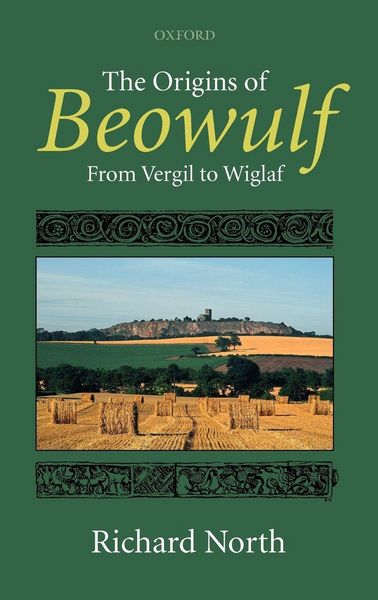
Produktbild: The Origins of Beowulf

The Origins of Beowulf From Vergil to Wiglaf

249,99 €

inkl. gesetzl. MwSt., Versandkostenfrei


Beschreibung

This fascinating study suggests that the Anglo-Saxon poem Beowulf was composed in the winter of 826-7 as a requiem for King Beornwulf of Mercia on behalf of Wiglaf, the ealdorman who succeeded him. The place of composition is given as the minster of Breedon on the Hill in Leicestershire (now Derbyshire)...

Beschreibung

This fascinating study suggests that the Anglo-Saxon poem Beowulf was composed in the winter of 826-7 as a requiem for King Beornwulf of Mercia on behalf of Wiglaf, the ealdorman who succeeded him. The place of composition is given as the minster of Breedon on the Hill in Leicestershire (now Derbyshire) and the poet as Eanmund, abbot of Breedon.

Produktdetails

Einband

Gebundene Ausgabe

Erscheinungsdatum

01.04.2007

Abbildungen

numerous tables, 2 maps, 2 line drawings and 3 halftones

Verlag Oxford Academic

Produktdetails

Einband

Gebundene Ausgabe

Erscheinungsdatum

01.04.2007

Abbildungen

numerous tables, 2 maps, 2 line drawings and 3 halftones

Verlag Oxford Academic
Seitenzahl

388

Maße (L/B/H)

24/16,1/2,5 cm

Gewicht

696 g

Sprache

Englisch

ISBN

978-0-19-920661-2

Herstelleradresse

Libri GmbH
Europaallee 1
36244 Bad Hersfeld
DE

Email: gpsr@libri.de

Noch keine Bewertungen vorhanden

Verfassen Sie die erste Bewertung zu diesem Artikel

Helfen Sie anderen Kundinnen und Kunden durch Ihre Meinung.

Kundinnen und Kunden meinen

Bewertungen (0)

  • Produktbild: The Origins of Beowulf
    • 1: Introduction: Beowulf and Wiglaf
    • 2: Dynastic innovation in Beowulf
    • 3: Vergil and the monastery in Beowulf
    • 4: Ingeld's rival: Beowulf and Aeneas
    • 5: 'Quid Hinieldus?' Bishop Unwona and friends
    • 6: Beowulf and the library at Breedon on the Hill
    • 7: The king's soul: Danish mythology in Beowulf
    • 8: 'Thryth' and the reign of Offa
    • 9: Hygelac and Beowulf: Cenwulf and Beornwulf
    • 10: King Wiglaf and 'Eanmundes laf'