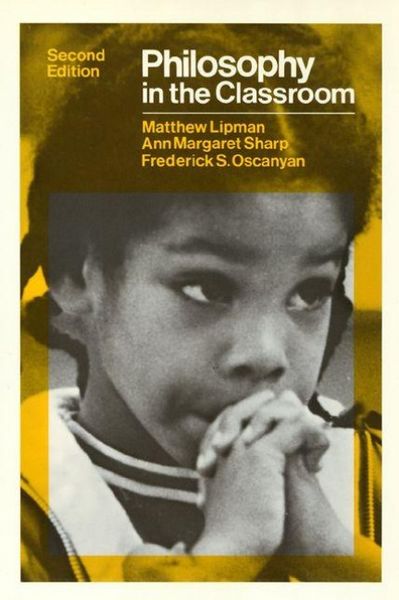
Produktbild: Philosophy in the Classroom

Philosophy in the Classroom

36,99 €

inkl. gesetzl. MwSt., Versandkostenfrei


Beschreibung

Produktdetails

Einband

Taschenbuch

Erscheinungsdatum

01.05.1980

Verlag

Temple University Press

Seitenzahl

248

Maße (L/B/H)

22,7/15,1/1,9 cm

Gewicht

372 g

Auflage

00002 Auflage Revised

Sprache

Englisch

ISBN

978-0-87722-183-8

Beschreibung

Produktdetails

Einband

Taschenbuch

Erscheinungsdatum

01.05.1980

Verlag

Temple University Press

Seitenzahl

248

Maße (L/B/H)

22,7/15,1/1,9 cm

Gewicht

372 g

Auflage

00002 Auflage Revised

Sprache

Englisch

ISBN

978-0-87722-183-8

Herstelleradresse

Libri GmbH
Europaallee 1
36244 Bad Hersfeld
DE

Email: GPSR Kontakt

Noch keine Bewertungen vorhanden

Verfassen Sie die erste Bewertung zu diesem Artikel

Helfen Sie anderen Kundinnen und Kunden durch Ihre Meinung.

Kundinnen und Kunden meinen

Bewertungen (0)

  • Produktbild: Philosophy in the Classroom
  • Preface

    Part I: Encouraging Children to Be Thoughtful

    1. The Need for Educational Redesign
    Educational Dysfunction ¿ Failure of Remedial Approaches ¿ Meeting Expectations ¿ Discovery ¿ Frustration ¿ Meaningful Experiences ¿ Need for Adventure ¿ Meaning versus Rationality

    2. Thinking and the School Curriculum
    The Child's Hunger for Meaning ¿ Thinking Skillfully ¿ Thinking Skills and Basic Skills ¿ Thinking Skills and Other Academic Disciplines ¿ The Relationship between Dialogue and Thinking ¿ Thinking Well about Things That Matter

    3. Philosophy: The Lost Dimension in Education
    Philosophy Begins in Wonder ¿ Wonder and Meaning ¿ Scientific Explanation ¿ Symbolic Interpretation ¿ Philosophical Investigation

    4. Some Educational Presuppositions of Philosophy for Children
    Preserving the Integrity of Philosophy as a Discipline ¿ Converting the Classroom into a Community of Inquiry ¿ Preparing the Teacher and the Curriculum

    Part II: Aims and Methods of Philosophy for Children

    5. The Philosophy for Children Curriculum
    Description of Curriculum ¿ Aims and Objectives of Philosophy for Children ¿ Improvement of Reasoning Ability ¿ Development of Creativity ¿ Personal and Interpersonal Growth ¿ Development of Ethical Understanding ¿ Development of the Ability to Find Meaning in Experience

    6. Teaching Methodology: Value Considerations and Standards of Practice
    Getting Children to Think for Themselves ¿ Conditions for Teaching Philosophical Thinking ¿ Teaching Behavior Conductive to Helping Children Engage in Philosophical Thinking

    7. Guiding a Philosophical Discussion
    Philosophy and the Strategies of Dialogue ¿ Guiding a Classroom Discussion ¿ The Role of Ideas in a Philosophical Dialogue ¿ Fostering Philosophical Dialogue ¿ Eliciting Views or Opinions ¿ Helping Students Express Themselves: Clarification and Restatement ¿ Explicating Students' Views ¿ Interpretation ¿ Seeking Consistency ¿ Requesting Definitions ¿ Searching for Assumptions ¿ Indicating Fallacies ¿ Requesting Reasons ¿ Asking Students to Say How They Know ¿ Eliciting and Examining Alternatives ¿ Orchestrating a Discussion

    Part III: Applying Thinking Skills to School Experience

    8. Encouraging Children to Be Logical
    Formal Logic as an Aid to Philosophical Thinking ¿ Giving Reasons: The Good Reasons Approach ¿ Acting Rationally ¿ Conclusion

    9. Can Moral Education Be Divorced from Philosophical Inquiry
    The Presumption of Rationality ¿ Setting the Stage for Moral Growth ¿ Socialization and Autonomy in Moral Education ¿ Dangerous Dichotomies in Moral Education ¿ What to Do to Help the Children Know What to Do ¿ Imagination and Moral Education ¿ Where to Begin ¿ Why Moral Education Cannot Be Divorced form Philosophical Education ¿ The Relationship between Logic and Morality ¿ The Improvement of Moral Judgment

    10. Philosophical Themes in Ethical Inquiry for Children
    The Relation of Logic to Ethics ¿ Consistency ¿ The Right and the Fair ¿ Perfect and Right ¿ Free Will and Determination ¿ Natural ¿ Change and Growth ¿ Truth ¿ Caring ¿ Standards and Rules ¿ Questions and Answers ¿ Thinking and Thinking for Oneself in Ethical Inquiry

    Appendix A: The Reform of Teacher Education
    Appendix B: Experimental Research in Philosophy for Children
    Bibliography