KI-Beratung Beta

  • Produktbild: Improving Comprehension Instruction
  • Produktbild: Improving Comprehension Instruction

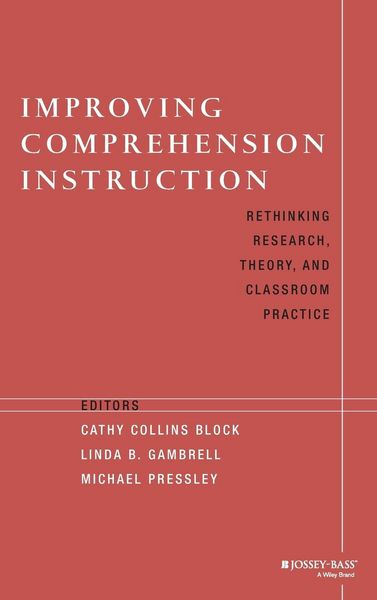
Improving Comprehension Instruction Rethinking Research, Theory, and Classroom Practice

58,99 €

inkl. gesetzl. MwSt., Versandkostenfrei


Beschreibung

Produktdetails

Einband

Gebundene Ausgabe

Erscheinungsdatum

18.09.2002

Herausgeber

Cathy Collins Block + weitere

Verlag

John Wiley & Sons Inc

Seitenzahl

448

Maße (L/B/H)

23,5/15,7/2,9 cm

Gewicht

797 g

Sprache

Englisch

ISBN

978-0-7879-6309-5

Beschreibung

Rezension

"The topics and instructional practices included in the book are certainly appropriate for the intended audience." ( Childhood Education , Annual Theme 2004)
"Highly Recommended." ( Choice , May 2003)

Produktdetails

Einband

Gebundene Ausgabe

Erscheinungsdatum

18.09.2002

Herausgeber

Verlag

John Wiley & Sons Inc

Seitenzahl

448

Maße (L/B/H)

23,5/15,7/2,9 cm

Gewicht

797 g

Sprache

Englisch

ISBN

978-0-7879-6309-5

Herstelleradresse

Libri GmbH
Europaallee 1
36244 Bad Hersfeld
DE

Email: gpsr@libri.de

Noch keine Bewertungen vorhanden

Verfassen Sie die erste Bewertung zu diesem Artikel

Helfen Sie anderen Kundinnen und Kunden durch Ihre Meinung.

Kundinnen und Kunden meinen

Bewertungen (0)

Weitere Artikel finden Sie in

  • Produktbild: Improving Comprehension Instruction
  • Produktbild: Improving Comprehension Instruction
  • Tables, Figures, and Exhibits.

    Foreword (Gerald G. Duffy).

    Preface.

    The Editors.

    The Contributors.

    Part One: New Directions in Comprehension Instruction.

    Introduction: Improving Comprehension Instruction: An Urgent Priority (Linda B. Gambrell, Cathy Collins Block, and Michael Pressley).

    1. Reconceptualizing Reading Comprehension (Anne P. Sweet and Catherine Snow).

    2. The Thinking Process Approach to Comprehension Development: Preparing Students for Their Future Comprehension Challenges (Cathy Collins Block and Rebecca B. Johnson).

    3. From Good to Memorable: Characteristics of Highly Effective Comprehension Teaching (Ellin Oliver Keene).

    4. The Guided Reading Lesson: Explaining, Supporting, and Prompting for Comprehension (Gay Su Pinnell).

    5. Instructional Components for Promoting Thoughtful Literacy Learning (Pamela J. Dunston).

    Part Two: New Comprehension Lessons Across the Curriculum.

    6. Differentiating Reading and Writing Lessons to Promote Content Learning (Karen D. Wood).

    7. Parsing, Questioning, and Rephrasing (PQR): Building Syntactic Knowledge to Improve Reading Comprehension (James Flood, Diane Lapp, and Douglas Fisher).

    8. Using Writing to Improve Comprehension: A Review of the Writing-to-Reading Research (Bena R. Hef.in and Douglas K. Hartman).

    9. Research-Based Comprehension Practices That Create Higher-Level Discussions (Janice F. Almasi).

    10. Goose Bumps and Giggles: Engaging Young Readers Critical Thinking with Books from the Teachers Choices Project and Graphic Organizers (Kathy N. Headley and Jean Keeler).

    Part Three: Integrating Technology and Innovative Instruction.

    11. Using Technology to Individualize Reading Instruction (David Rose and Bridget Dalton).

    12. Computers, Kids, and Comprehension: Instructional Practices That Make a Difference (Linda D. Labbo).

    13. Out of This World: Cyberspace, Literacy, and Learning (Victoria Gentry Ridgeway, Chris L. Peters, and Terrell Seawell Tracy).

    14. Reading in the Digital Era: Strategies for Building Critical Literacy (Lisa Patel Stevens and Thomas W. Bean).

    Part Four: Overcoming Comprehension Challenges.

    15. Hitting the Wall: Helping Struggling Readers Comprehend (D. Ray Reutzel, Kay Camperell, and John A. Smith).

    16. At-Risk Students: Learning to Break Through Comprehension Barriers (Lynn Romeo).

    17. Helping Struggling Readers Make Sense of Reading (Irene W. Gaskins, Sally R. Laird, Colleen O Hara, Theresa Scott, and Cheryl A. Cress).

    Conclusion: Improving Comprehension Instruction: A Path for the Future (Michael Pressley).

    Name Index.

    Subject Index.