Beschreibung
Produktdetails
Einband
Taschenbuch
Erscheinungsdatum
24.02.2009
Abbildungen
w. figs.
Herausgeber
Diomidis Spinellis + weitereVerlag
O'Reilly MediaSeitenzahl
426
Maße (L/B/H)
23,3/17,9/2,7 cm
Gewicht
715 g
Sprache
Englisch
ISBN
978-0-596-51798-4
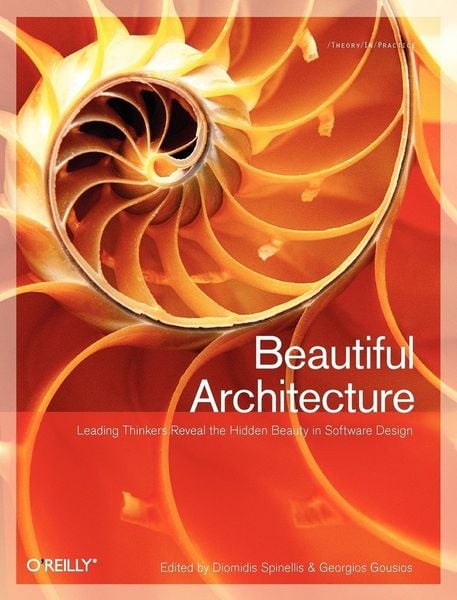
What are the ingredients of robust, elegant, flexible, and maintainable software architecture? Beautiful Architecture answers this question through a collection of intriguing essays from more than a dozen of today's leading software designers and architects. In each essay, contributors present a notable software architecture, and analyze what makes it innovative and ideal for its purpose.
Some of the engineers in this book reveal how they developed a specific project, including decisions they faced and tradeoffs they made. Others take a step back to investigate how certain architectural aspects have influenced computing as a whole. With this book, you'll discover:
How Facebook's architecture is the basis for a data-centric application ecosystem
The effect of Xen's well-designed architecture on the way operating systems evolve
How community processes within the KDE project help software architectures evolve from rough sketches to beautiful systems
How creeping featurism has helped GNU Emacs gain unanticipated functionality
The magic behind the Jikes RVM self-optimizable, self-hosting runtime
Design choices and building blocks that made Tandem the choice platform in high-availability environments for over two decades
Differences and similarities between object-oriented and functional architectural views
How architectures can affect the software's evolution and the developers' engagement
Go behind the scenes to learn what it takes to design elegant software architecture, and how it can shape the way you approach your own projects, with Beautiful Architecture.
Some of the engineers in this book reveal how they developed a specific project, including decisions they faced and tradeoffs they made. Others take a step back to investigate how certain architectural aspects have influenced computing as a whole. With this book, you'll discover:
How Facebook's architecture is the basis for a data-centric application ecosystem
The effect of Xen's well-designed architecture on the way operating systems evolve
How community processes within the KDE project help software architectures evolve from rough sketches to beautiful systems
How creeping featurism has helped GNU Emacs gain unanticipated functionality
The magic behind the Jikes RVM self-optimizable, self-hosting runtime
Design choices and building blocks that made Tandem the choice platform in high-availability environments for over two decades
Differences and similarities between object-oriented and functional architectural views
How architectures can affect the software's evolution and the developers' engagement
Go behind the scenes to learn what it takes to design elegant software architecture, and how it can shape the way you approach your own projects, with Beautiful Architecture.
Noch keine Bewertungen vorhanden
Verfassen Sie die erste Bewertung zu diesem Artikel
Helfen Sie anderen Kundinnen und Kunden durch Ihre Meinung.
Kurze Frage zu unserer Seite
Vielen Dank für Ihr Feedback
Wir nutzen Ihr Feedback, um unsere Produktseiten zu verbessern. Bitte haben Sie Verständnis, dass wir Ihnen keine Rückmeldung geben können. Falls Sie Kontakt mit uns aufnehmen möchten, können Sie sich aber gerne an unseren Kund*innenservice wenden.
zum Kundenservice