KI-Beratung Beta

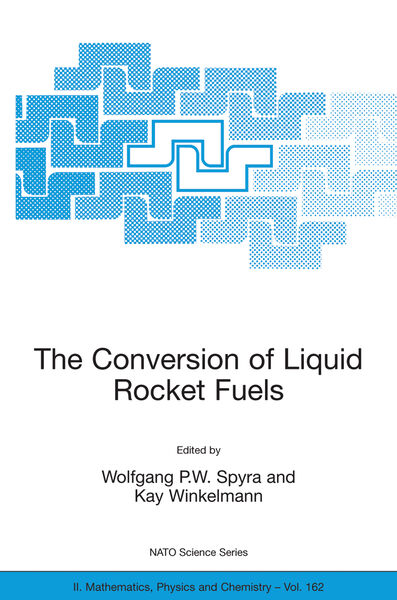
  • Produktbild: The Conversion of Liquid Rocket Fuels, Risk Assessment, Technology and Treatment Options for the Conversion of Abandoned Liquid Ballistic Missile Propellants (Fuels and Oxidizers) in Azerbaijan
  • Produktbild: The Conversion of Liquid Rocket Fuels, Risk Assessment, Technology and Treatment Options for the Conversion of Abandoned Liquid Ballistic Missile Propellants (Fuels and Oxidizers) in Azerbaijan
Band 162

The Conversion of Liquid Rocket Fuels, Risk Assessment, Technology and Treatment Options for the Conversion of Abandoned Liquid Ballistic Missile Propellants (Fuels and Oxidizers) in Azerbaijan

142,99 €

inkl. gesetzl. MwSt., Versandkostenfrei


Beschreibung

Prof. Dr. -Ing. Wolfgang Spyra Brandenburg University of Technology in Cottbus, Germany The demilitarization and conversion of military properties wor- wide has been a topic of growing importance since the end of the Cold War. The slowing of the arms race brought on by weapons treaties and relaxed tensions...

Beschreibung

Prof. Dr. -Ing. Wolfgang Spyra Brandenburg University of Technology in Cottbus, Germany The demilitarization and conversion of military properties wor- wide has been a topic of growing importance since the end of the Cold War. The slowing of the arms race brought on by weapons treaties and relaxed tensions between NATO and Warsaw Pact nations caused sto- piles of conventional weapons to become superfluous. The need to process and dispose of such weapons began more quickly in NATO countries. This demilitarization process began shortly after the reunification of Germany and was largely completed by the mid to late 1990’s. The remaining process, no small task in itself, of converting lands formerly used by the military into safe and environmentally acceptable landscapes may continue for decades to come. Due to a lack of resources and technology, the process of demilitarization in the former Warsaw Pact countries has launched more slowly. In 2002 both Georgia and Moldova finished projects which destroyed their stocks of liquid ballistic missile components. Both these projects were carried out through the cooperative support of trans-national organizations, private contractors, and research institutions. The Republic of Azerbaijan now finds itself at the beginning of its demilitarization process. Stored at the country’s military depots are over 2000 tons of missile fuels, oxidizer, and chemical additives. This hazardous waste is kept in tanks intended only for temporary transport and storage.

Produktdetails

Einband

Taschenbuch

Erscheinungsdatum

01.09.2004

Abbildungen

X, 148 p.

Herausgeber Wolfgang Spyra + weitere

Produktdetails

Einband

Taschenbuch

Erscheinungsdatum

01.09.2004

Abbildungen

X, 148 p.

Herausgeber
Verlag Springer Netherland
Seitenzahl

148

Maße (L/B/H)

24,3/15,9/1,2 cm

Gewicht

263 g

Auflage

2004 edition

Sprache

Englisch

ISBN

978-1-4020-2380-4

Herstelleradresse

Libri GmbH
Europaallee 1
36244 Bad Hersfeld
DE

Email: gpsr@libri.de

Noch keine Bewertungen vorhanden

Verfassen Sie die erste Bewertung zu diesem Artikel

Helfen Sie anderen Kundinnen und Kunden durch Ihre Meinung.

Kundinnen und Kunden meinen

Bewertungen (0)

  • Produktbild: The Conversion of Liquid Rocket Fuels, Risk Assessment, Technology and Treatment Options for the Conversion of Abandoned Liquid Ballistic Missile Propellants (Fuels and Oxidizers) in Azerbaijan
  • Produktbild: The Conversion of Liquid Rocket Fuels, Risk Assessment, Technology and Treatment Options for the Conversion of Abandoned Liquid Ballistic Missile Propellants (Fuels and Oxidizers) in Azerbaijan
  • The NATO Partnership for Peace Trust Fund: The Process and the Role of the NATO Maintenance and Supply Agency (NAMSA).- The Evolution of Risk in the 1990’s.- Weapon Systems Using Samine, Melanj and Isopropyl Nitrate.- Chemical Composition of Rocket Fuel Components: Melanj, Samine and Isonite.- Toxicology of Military Hazardous Waste—Liquid Rocket Fuels.- Location of Liquid Missile Propellant Depots in Azerbaijan, Recent Storage Stituation, and Risk Assessment.- Disposal of Rocket Fuels Stored at Alyat and Mingechevir Depots, Azerbaijan.- Past Experience in the Treatment of Rocket Fuel Components and Their Industrial Flows.- Transforming Liquid Rocket Fuel Components into Useful Products: Experience in Georgia.- Support to Partnership for Peace Trust Fund Projects by the NATO Maintenance and Supply Agency (NAMSA) the Project in Moldova to Destroy Melanj Rocket Fuel Oxidiser.- Opportunities for Technolithic Transformation of Liquid Rocket Fuels.- Potential Danger of Stored Rocket Fuel Components and Rational Ways of Eliminating Their Threat to the Population and the Environment.- Transportation of General Rocket Fuel Components.- Chemistry and Alternative Usage of Missile Propellants Stored in Azerbaijan.- Transformation and Cooperation: Cultural Impressions of Azerbaijan.